The month is over. The month is finished.
Then you check the bank account of the restaurant.
You didn’t get the number you had hoped for.
Restaurant owners can find it difficult to reconcile this issue because they believe that profits and cash flow should be identical. They aren’t. A P&L measures the financial performance of a company over a specified time period, whereas accounts in banks show the exact timing of funds flowing into and out of the business.
Knowing the difference can change the way that a restaurant’s owner views their finances.
Check out what happens during a normal week. The customers pay for food. The employees must be paid. Food and beverages are delivered with invoices attached. Rent is due. Deposits to credit cards are timed. Sales tax has been collected, but that money comes with an obligation.
In the meantime, next week’s purchase has already begun.
If you are only looking at the amount of revenue or income, then you’ll miss a lot of the activity.
Prime Cost could be the Key to the Clue
If restaurant profitability begins to decrease, cost of food, drinks and labor costs should be taken into consideration.
Cost of goods sold combined with labor is the primary cost. The Bookkeeping Chefs’ provided guidelines place the primary cost between 60 and 65 percent of the revenue for many restaurants. They also suggest daily monitoring, not waiting until the end of the month.
Effective primary cost management requires less focusing on a single percent and more being aware of early movement.
Imagine that the restaurant usually performs at or near its goal, but this week’s percentage rises. Perhaps overtime has is up. Maybe beverage costs were stable however food costs increased. A higher percentage of food could make the supervisor think about reviewing the menu, purchases, waste, mix, portions or vendor invoices.
The percentage is a source of concern. The activity of the restaurant itself provides the answer.
Weekly reports allow the discussion to continue even though everyone is aware of what’s transpired.
The details will be harder to remember two or three days later.
Then the Vendor Bills Show Up
A restaurant could purchase the ingredients this week, but then pay for the items in the future. This is a reason for profits alone won’t be able to answer all cash questions.
Vendor invoices should be recorded, received, tracked, and ultimately paid. This can be quite a task in an organization with several suppliers.
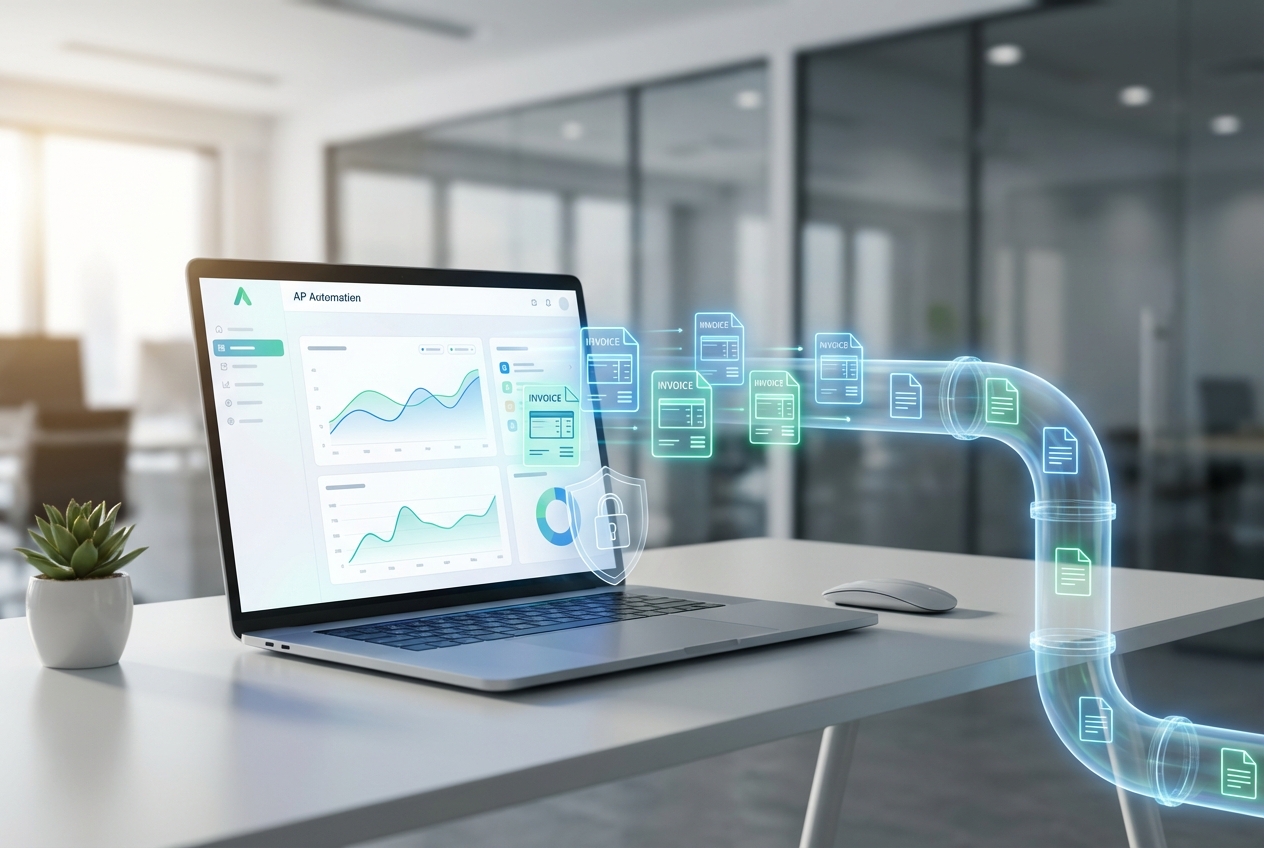
Accounts payable automation helps organize this process by reducing repetitive handling of bills and payment information. The account owner will have an accurate picture of debts that haven’t landed in their bank accounts through connected bookkeeping systems.
This is important since an account balance seen in isolation can look healthier than the restaurant’s actual short-term position.
It could be that there is $80,000 in the bank account at present. The figure of $80,000 is little if vendors, rent, or payroll will take up a large portion over the coming days.
This is the natural progression to cash flow forecasting.
The most important question to ask yourself is “What will happen to our cash once we receive the money and have fulfilled the commitments we’ve identified?”
This distinction is essential in determining which is the best time to buy an additional purchase or replace equipment, or keep the liquidity.
The Money You Received Could Not be Yours
The example of sales tax is an excellent one.
The money restaurant owners receive from customers is eventually going to need to be handled in line to its tax obligations. If the money is mentally coupled with the normal cash flow, the balance of the bank account could provide an inaccurate picture of the amount of cash available.
Regularly maintained records help restaurants comply with sales tax laws and also providing a complete view of their financial position.
It is for this reason that restaurant accounting works better when financial obligations aren’t treated as separate islands.
Prime cost affects margin. Vendor purchases impact COGS and future payments. Payroll is a factor that affects the percentage of labor and cash. Taxes on sales affect cash availability. P&Ls are used to record the financial performance. Forecasting can also be useful for managers.
The pieces link.
Bookkeeping Chef helps bring these pieces together with restaurant-focused reports as well as system integrations. Bookkeeping outsourcing services with specialization are an ideal alternative for those who aren’t able to reconcile their financial data. They can take care of much of the accounting work while removing the proprietor from discussions about finances.
The last section is very important.
Restaurant owners should never stop reading the books, simply because they’re handled by someone else. It’s for owners to receive data in a way that allows them to understand what is happening.
If the P&L indicates that the restaurant is earning money however, the balance in the bank feels insufficient, don’t believe that the P&L could be wrong.
Find out what happened between you and your spouse.
This question will tell you more about your business than any other number.