Think about all the apps you are using on your smartphone. Consider the apps that you rely on every day without even noticing the habit loop triggers. Your thumb simply knows where to click. The reason for this effortless natural, second-nature interface lies an immense amount of human psychology and incredibly technical engineering. Modern users have an absolute policy against digital friction; if your mobile’s screen fails to function for less than one second or takes too long to load data, or drops a notification, it gets deleted in a matter of minutes. The stakes are high for founders who have been backed by capital, and teams that are focused on growth. A successful digital product needs more than just a gorgeous site or a smooth surface. It requires a strategic collaboration with a top mobile app development company which is focused on human retention beginning from the very first day of production.
How can you navigate the ever shifting rules of ecosystems
It’s more challenging to build for mobile than web engineering because you are working on a surface that is moving. Apple introduces a new operating system each in the fall. It implements more stringent privacy policies, is able to retire outdated structures of code and alters the app store review protocol. Google has its own timeline. It constantly changes how notifications function and how background processes impact phone batteries. If your team does not keep its eyes on these evolving rules, your app could quickly break, resulting in poor reviews and faulty features. This is the reason that businesses must hire mobile app developers that view their job as a continuous cycle and not just a coding sprint. Release engineering is a continuous procedure that makes sure that automated shipping pipelines are active and secure throughout every operating system update.
The Technical Crossroads of Native Experiences
The choice to utilize dedicated iOS app development tools gives teams complete, uncompromising access to the latest Apple native frameworks. This enables butter-smooth animations and deep ties with special features such as HealthKit or biometric security. Selecting specific iOS app development services gives teams direct, uncompromised access to Apple’s most current native frameworks that allow for butter-smooth animations and deep integration with specialized features such as HealthKit or biometric security. On the other side of the spectrum, investing in targeted Android apps development services guarantees the app you develop is designed to manage the wide range of screen sizes and processing capabilities offered by the global device market. Native architecture is the standard for businesses that rely heavily on the use of devices, such as interacting low-latency Bluetooth devices, monitoring locations in real-time, and offering smooth checkout flows through native billing systems.
Cross-Platform Engineering: Accelerating production timelines
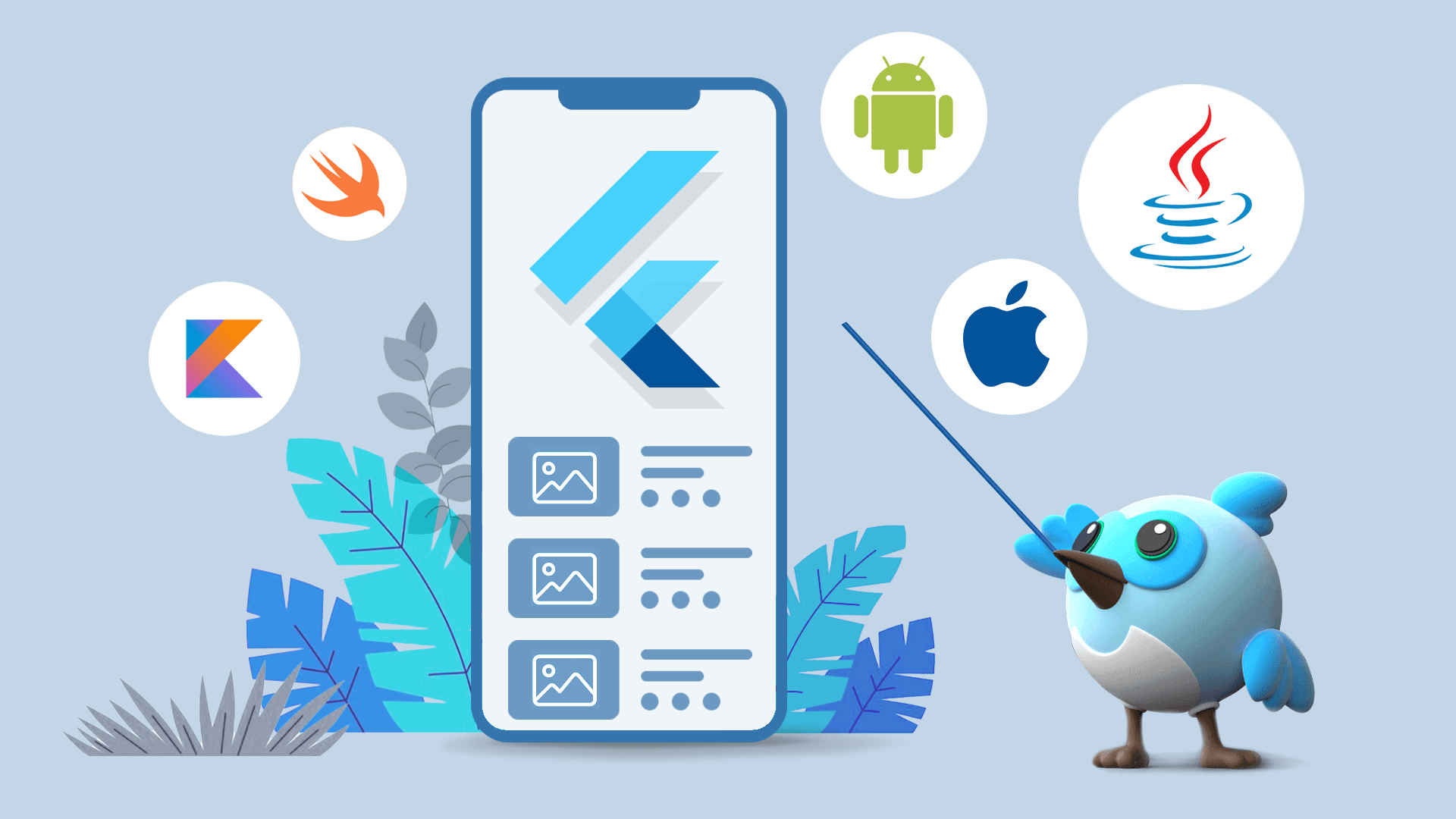
Many organizations are growing quickly, and the pressures of funding as well as competition can make it difficult to launch on two operating systems at one time. Choosing an elite cross-platform app development strategy resolves this dilemma by allowing a unified development team to build, test, and maintain a single codebase that runs beautifully on both platforms. This type of approach can cut traditional launch times by several months and allows companies to gather feedback from their users for a fraction of their costs. A company that is specialized in Flutter can assist brands in creating stunningly stylized interfaces, with pixel-perfect user interfaces that maintain aesthetic consistency across devices. If they are backed by a solid foundation of automated testing and robust background data syncing, this cross-platform approach can provide the best balance between rapid market entry and high-performance implementation.
The art of creating sustainable long-term user engagement
In the end, success of a mobile-based launch will be assessed by the longevity of user habits, not just short-term surges in downloads. The most effective mobile architecture integrates crucial behavioral triggers directly in the tech stack, making sure that onboarding flows are able to deliver value within the first sixty seconds in addition to ensuring that local data stores effortlessly during sudden drops in cellular, and that notification systems keep the focus of the user. Whatever your team is working on an initial prototype which can be delivered quickly to prove its marketability or is building a large enterprise system that is governed by strict requirements for data compliance The focus on the fundamentals is the same. Digital Heroes will help you create a solid digital asset by adhering to an engineering rhythm which is structured and predictable, while also respecting your users’ time and performance of the device.