A park bathroom can seem as if it’s a tiny piece of a construction project worth millions. Landscape engineers, architects, and contractors might be involved in the construction of one structure.
Every transition creates a simple but crucial question:
Who’s responsible for ensuring that one stage connects to another properly?
For the owners of parks as well as team members evaluating the most effective toilet design firms, that could be more insightful than looking through a portfolio of finished projects.
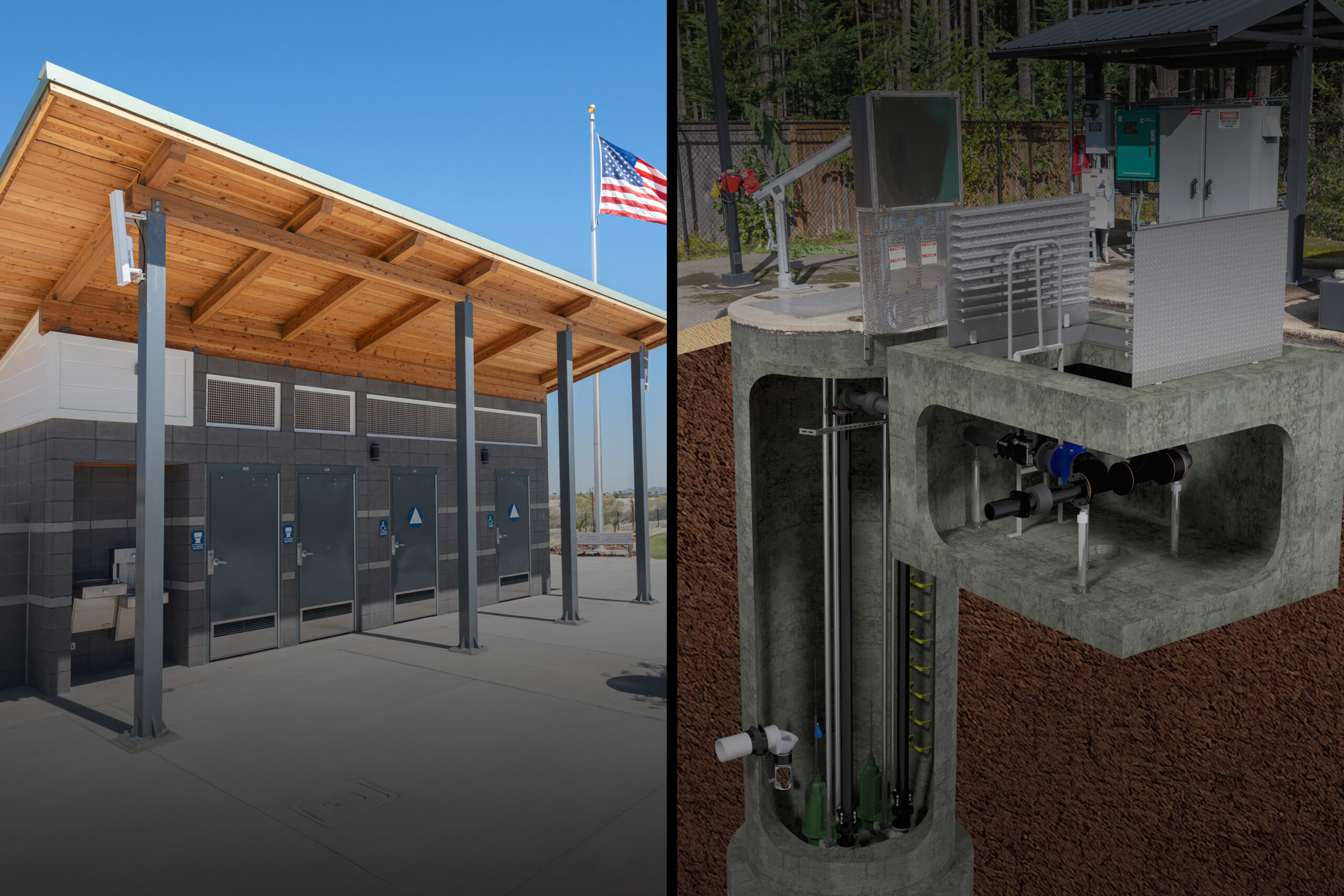
Image credit: romtec.com
Be on the lookout for Handoffs
Imagine a bathroom that is already conceptually designed. The dimensions are correct and the design is chosen for the exterior and everyone enjoys it.
Then engineering begins. An adjustment is needed, which affects the layout. The modification can affect the specifications for a particular component and, therefore it is a factor in the procurement. Later, the contractor finds out that an assumption that was made in the design doesn’t match with the specification provided.
None of these situations necessarily means someone made a mistake of major magnitude. These situations illustrate the difficulties of coordination when responsibility has been split between several groups.
A best park building designer candidate should therefore be evaluated on more than creativity. Understanding codes, accessibility requirements, components, engineering, documentation, and construction realities will help you connect design choices with the building that is ultimately constructed.
Check the actual proposal
Two plans for buildings which appear to be identical might actually have vastly differing scopes.
A package could consist of building materials. A different option could be preliminary design help including drawings, specifications renderings, engineered designs, submissions, supplies, and even installation.
If you just compare the lowest price but without knowing why they are distinct, it could be misleading.
Romtec offers initial designs estimations, estimates and specifications renderings and drawings free of charge upfront. After approval, the process advances to engineered plans sets and submissions that are complete.
Design teams and owners can move from a concept to a built-in-place.
Custom Requirements Must Be Identified Early
Rarely do public-private projects operate in the same way and under the same conditions.
One community may be looking for green fixtures and materials. Some may also have a particular design theme. Landscape architects may require custom siding, unusual colors, or a roof configuration that visually connects the restroom to other park structures.
These decisions affect more than just the appearance. These decisions may affect elements, documents, procurement, engineering and construction.
When addressing specific requirements early the team can have an chance to incorporate them in a planned manner rather than having to make retrofits after important decisions have been taken.
Construction Knowledge influences the Design Conversation
The most skilled park bathroom designer must be able the concept of sketching that will later be a reality.
Romtec is a company which designs, fabricates and equipment and constructs buildings for public use. It is able to offer building package to be integrated into larger construction projects or turnkey installation.
That design-to-construction experience creates a practical perspective: decisions made at a desk eventually have consequences on a jobsite.
Review the entire process, not just the destination.
The bathroom you have finished won’t reveal all the planning that went on prior to the opening day.
Park owners see the building. Visitors view the building. Project teams go through everything that came before the design decision, estimates as well as documentation, engineering approvals, supply, and construction.
This is why selecting the best park construction partner should not be a matter of asking “Do you like their building?”
A more useful question is:
Do you have the ability to make the building come from our imagination to a building that is open to the public?