The advancements in banking technology have greatly automatized bookkeeping. However anyone who handles financial records is aware that automation doesn’t always perform as expected. The feeds of banks aren’t working, the historical transactions might not be available and customers still send statements in PDF format. If that happens, someone must transform a document designed for reading into data that accounting software could actually utilize.
Converting bank statements can save you time by making the process easier. Docubrew automatically converts the information of your bank statement into structured spreadsheet data.
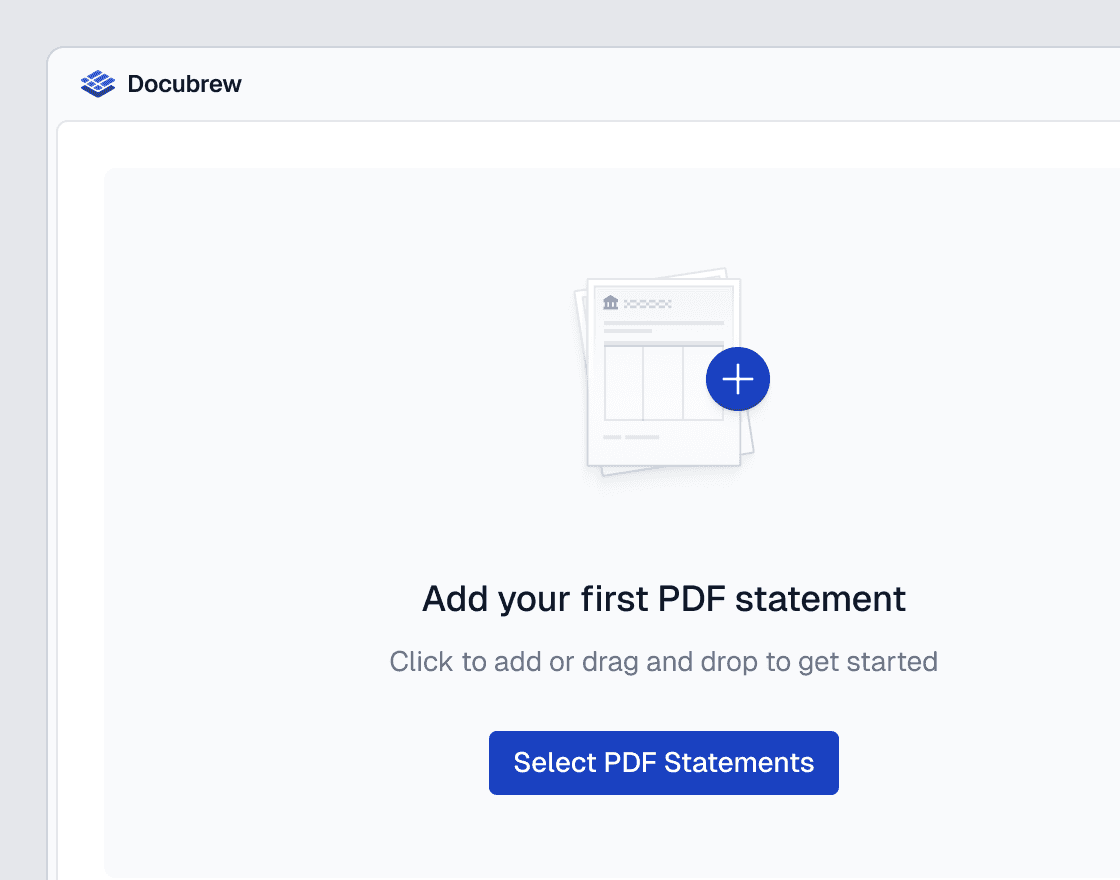
Image credit: docubrew.com
If a PDF is the missing piece
Imagine a bookkeeper working on the year-end reconciliation of new customers. The accounting system shows the most recent transactions, but some of the older years are missing. Fortunately that the client downloaded the original PDF reports.
The past was when creating those months would require long hours of copying and paste numbers into spreadsheets. A PDF bank statement to Excel workflow is a more practical alternative. Docubrew can extract transaction information from digital PDFs and scanned bank statements on paper.
Reduced manual transcription is an effective way to lower the chance of errors for professionals who must transfer bank accounts to Excel regularly.
Make sure you keep the pages that matter
The bank statements aren’t just composed of transactions. A 12-page document may include the cover page, account summary and disclosures or notices as well as several pages of banking activity.
Docubrew lets users preview the document and choose the relevant pages before conversion. This makes it easier to convert bank statements to Excel, without having to add unrelated content.
After processing, the file can then be opened in Excel or re-formatted to work with accounting platforms such as QuickBooks, Xero, and FreshBooks.
CSV offers a flexible accounting Workflow
CSV is still useful because it’s supported by spreadsheets and databases. Accounting applications can also use CSV. If you need a bank statement to CSV, Docubrew produces structured output based on the transaction table contained in the statement.
The same workflow can help firms convert bank statements to CSV for the purpose of re-constructing historical books or handling a clean-up project, analyzing missing transactions, or in the process of preparing the data needed to be reconciled.
Accounting firms that have to deal with clients with multiple statements may make batch processing extremely useful.
Financial Documents Need Considerate Privacy Controls
Convenience isn’t the only consideration when processing financial records. Bookkeepers and accountants can also be concerned with the location in which they manage financial records.
Docubrew has two methods. Windows desktop software processes files on the computer of the user, and the statements aren’t uploaded to be converted. Users who prefer browser-based workflows can select the encrypted cloud option, in which uploaded files will be automatically deleted after 24 hours.
This distinction distinguishes the platform from the bank statement Excel software that depends exclusively on remote processing.
Turning Document Archives Back Into Working Data
While PDF statements are excellent documents, they’re not ideal to utilize when transactions have to be sorted or reconciled. They can’t also be used to import, filter, or re-organize or re-organized. Scanned documents create a further complication because the transaction information could only be available in the form of an image.
Docubrew combines statement parsing with OCR support for documents scanned, giving accountants, bookkeepers as well as businesses a practical way to convert financial documents that are archived to usable transaction data.
The result is a straightforward improvement to an otherwise monotonous procedure: maintain the bank statement as the original financial record while turning its transaction table into information you are able to work with.